
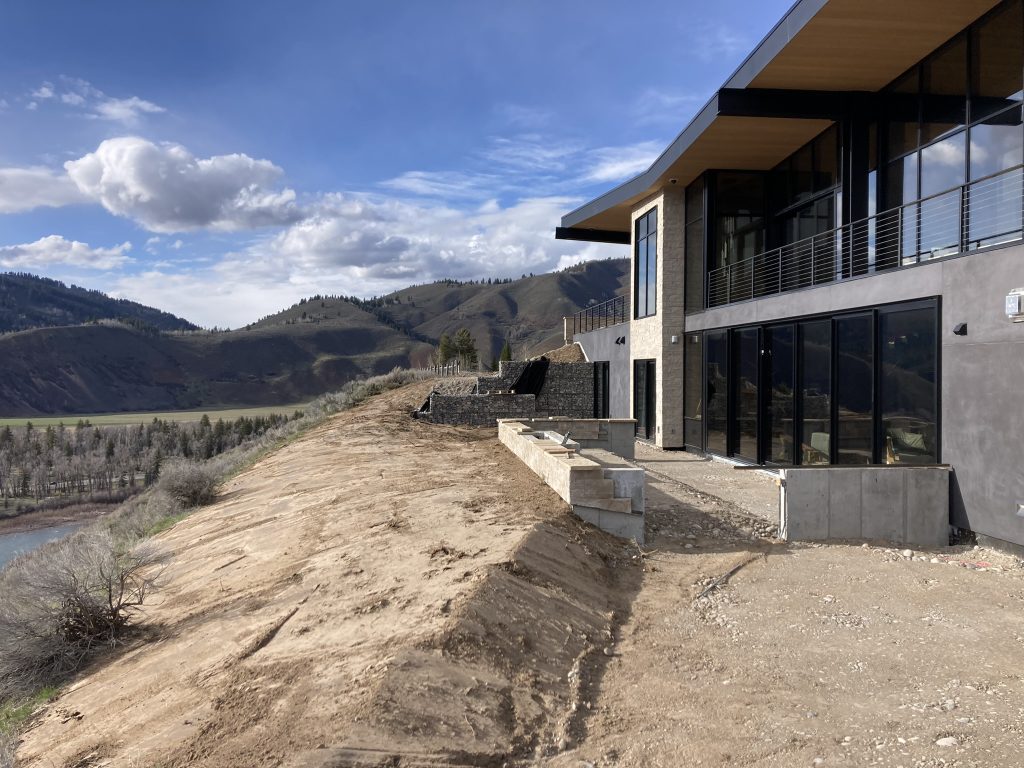
If you are building a home, one of the first big milestones is excavation. It is also one of the most misunderstood parts of the process.
Most owner-builders and new homeowners ask the same question: how long does it take to dig a basement?
The short answer is 3 to 7 days for most standard homes. But that timeline depends on several factors that can either keep your project moving or slow it down fast.
If you have been searching for residential excavating companies near me, you have likely seen a wide range of timelines. That is because excavation is not just about digging dirt. It involves planning, site conditions, weather, and the experience of the contractor handling the work.
At its core, residential excavation sets the foundation for everything that follows. If it is done right, your project moves forward smoothly. If it is rushed or handled poorly, problems show up later in the build.
What Basement Excavation Really Includes
Many people think excavation is just digging a hole. In reality, it is a multi-step process that prepares your site for long-term stability.
A complete basement excavation typically includes:
- Site clearing and preparation
- Topsoil stripping
- Layout and staking
- Bulk excavation
- Rough grading
- Soil hauling or stockpiling
- Final shaping for foundation work
Before any digging begins, professionals often coordinate underground utility services to ensure safe excavation and avoid costly utility strikes.
Working with experienced contractors ensures each step is handled correctly from the start.
Average Timeline for Basement Excavation
Let’s break down a realistic timeline so you know what to expect.
Day 1: Site Preparation
This phase includes:
- Clearing vegetation and debris
- Marking excavation boundaries
- Locating underground utilities
If your lot requires extensive clearing, crews may first perform site clearing services to remove trees, brush, and obstacles.
Day 2–4: Bulk Excavation
This is where the majority of the digging happens.
Heavy equipment removes soil to reach foundation depth. The speed depends on soil conditions and site access.
Efficient crews using modern equipment can move quickly, especially when the site is prepared properly.
Day 5–7: Final Grading and Prep
The excavation is shaped and leveled to match foundation plans.
At this stage:
- Dimensions are verified
- Slopes are adjusted
- The site is prepared for concrete work
Once complete, the project moves into foundation construction.
What Can Speed Up or Slow Down Excavation?
No two sites are identical. Several key factors affect how long excavation will take.
Soil Conditions
Soil type has a direct impact on speed.
- Loose soil or sand allows faster digging
- Clay slows progress due to density
- Rocky ground can significantly delay work
In some cases, rocky terrain requires specialized equipment or additional time.
Weather Conditions
Weather can change timelines quickly.
Rain can create muddy conditions that slow equipment. Cold temperatures can freeze the ground, making excavation more difficult.
In Alpine, WY, seasonal changes play a major role in scheduling residential excavation projects.
Site Accessibility
If equipment can easily reach your site, work moves faster.
Limited access, steep slopes, or tight spaces can slow down operations and require more careful planning.
Project Size and Design
A larger home or a complex basement design requires more excavation time.
Walkout basements, stepped foundations, and custom layouts often add complexity.
Material Handling and Hauling
Excavation does not just involve digging. It also includes moving and managing soil.
Many projects require construction material supplying and hauling services to remove excess soil and bring in structural fill.
Efficient material handling helps keep the project on schedule.
Step-by-Step Basement Excavation Process
Understanding the process helps reduce uncertainty and stress, especially for owner-builders.
Planning and Layout
The contractor reviews plans and marks the excavation area.
This step ensures accuracy and prevents costly mistakes later.
Clearing and Preparation
Vegetation and topsoil are removed.
Organic material is not suitable for supporting a foundation, so it must be stripped away before excavation begins.
Excavation and Digging
This is the core of residential excavation.
Heavy equipment digs to the required depth while maintaining proper slopes and dimensions.
Grading and Shaping
The excavation is shaped to match the foundation design.
Proper grading is critical to ensure water drains away from the structure. Many contractors integrate residential drainage services at this stage to prevent future water issues.
Final Prep for Foundation
The site is inspected and prepared for concrete work.
Accuracy here ensures the foundation can be installed without delays.
Common Delays and How to Avoid Them
Even well-planned projects can face setbacks. The key is knowing what to watch for.
Unexpected Soil Conditions
Hidden rock or unstable soil can slow excavation.
Solution: Conduct soil testing before starting.
Weather Delays
Rain or snow can pause work.
Solution: Plan excavation during favorable conditions when possible.
Poor Contractor Coordination
Miscommunication between crews can cause delays.
Solution: Work with experienced excavation services providers who understand project timelines.
Utility Conflicts
Unmarked utilities can stop work immediately.
Solution: Always confirm utility locating before digging.
Why Hiring the Right Contractor Matters
Excavation is not a step you want to rush or cut corners on.
The right contractor ensures:
- Accurate foundation depth
- Proper drainage
- Efficient timeline
- Reduced risk of rework
For owner-builders, working with professionals removes a major source of stress and uncertainty.
Searching for residential excavating companies near me should not just be about price. It should be about experience, reliability, and understanding local conditions.
Excavation Challenges in Alpine, WY
Building in Alpine comes with unique conditions.
These include:
- Rocky soil
- Freeze-thaw cycles
- Variable terrain
- Remote access
These factors can affect both timeline and approach.
Local expertise matters. Contractors familiar with the area can anticipate challenges and keep your project moving.
How to Prepare for a Smooth Excavation
Preparation is one of the biggest factors in staying on schedule.
Here are practical steps you can take:
- Ensure permits are approved
- Schedule utility locating early
- Clear access routes
- Coordinate timelines with your contractor
- Plan for material hauling and delivery
Proper planning helps keep excavation within the expected 3 to 7 day window.
Quick Takeaways
- Most basement excavations take 3 to 7 days
- Soil, weather, and site access affect timelines
- Proper planning prevents delays
- Excavation quality impacts the entire build
- Hiring experienced contractors makes a major difference
Your excavation is the foundation of your entire build. If it is not done right, everything that follows is at risk.
At Great Divide Earthworks, we specialize in residential excavation in Alpine, WY, helping homeowners and owner-builders move forward with confidence. From site preparation to final grading, our team delivers precision, efficiency, and results that last.
If you are planning a new home or preparing your lot for construction, now is the time to get expert support.
📍 Serving Alpine, WY & Surrounding Areas
📞 Call today to schedule your project consultation and get your site ready the right way
Excavating a basement may only take a few days, but it sets the stage for your entire project. With the right planning and the right team, you can avoid delays, reduce stress, and move forward with confidence.
FAQs
How long does it take to excavate a basement?
Most projects take between 3 and 7 days depending on site conditions.
What is the biggest factor that affects excavation time?
Soil conditions and weather have the greatest impact.
Do I need permits before excavation?
Yes, permits and utility locating are required before digging.
Can excavation be done in winter?
Yes, but frozen ground can slow the process.
How do I choose the right contractor?
Look for experienced residential excavating companies near me with strong local knowledge and proven results.